Since September 16, Richard Karl, originated from Austria but studying at ETH Zürich joined the lab. He will stay 2 months among us, for preparing his bachelor degree thesis, welcome to him !
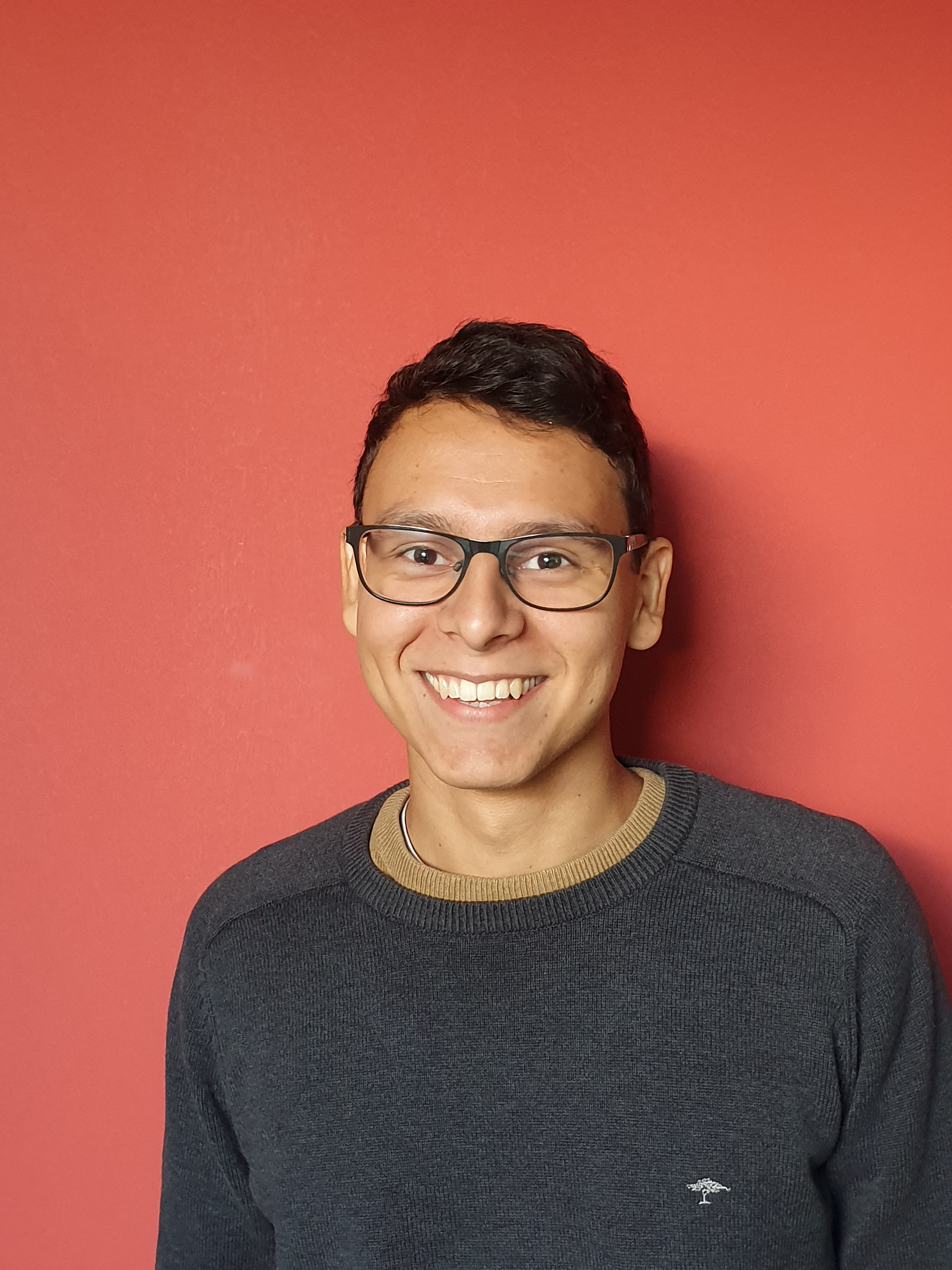

Since September 16, Richard Karl, originated from Austria but studying at ETH Zürich joined the lab. He will stay 2 months among us, for preparing his bachelor degree thesis, welcome to him !
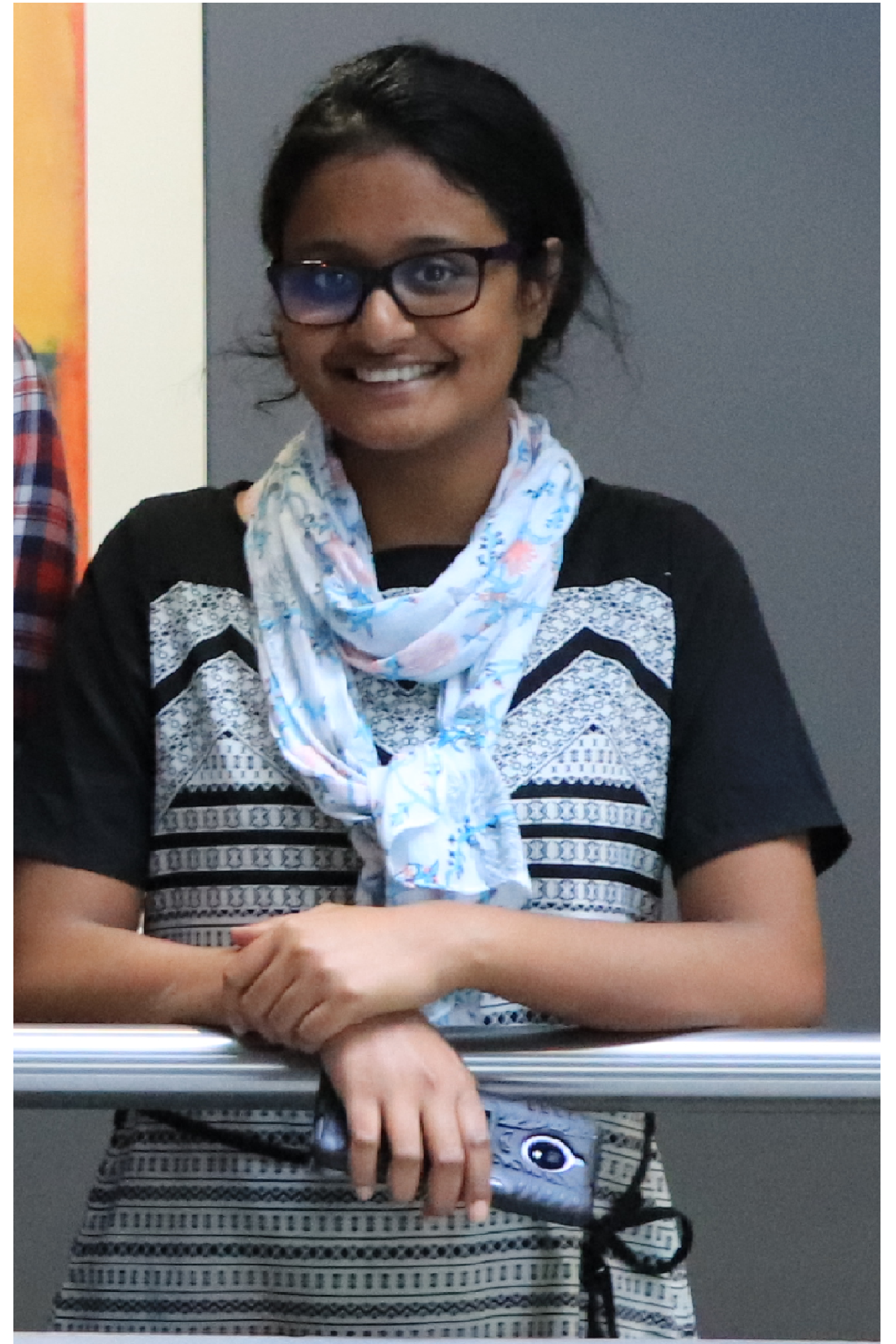
Kripa Joseph, who was already in our lab last year for a 3 months training, is back among us, but this time for 3 years. She is indeed starting a phD in our group after having completed her Master degree in Chemistry from Indian Institute of Science Education and Research (IISER) Mohali in May 2019. Welcome back to her !
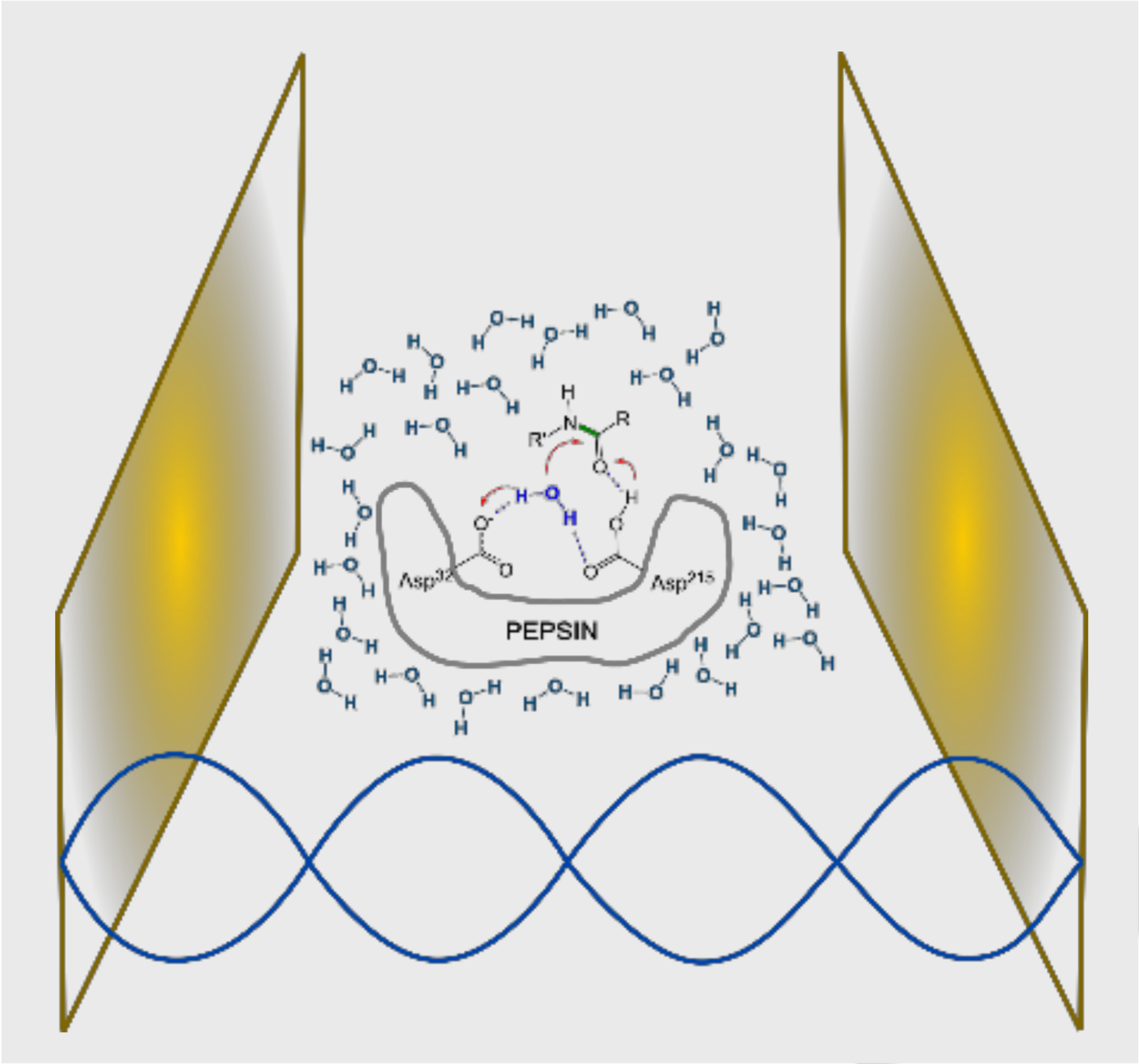
We are pleased to announce that a new publication, in cooperation with Vladimir Torbeev group, has just been accepted in Angewandte Chemie International Edition. This time we applied the concept of strong-coupling induced cooperative effect to a biological molecule, the pepsin, which is a digestive enzyme. When strongly coupling the OH stretching bond of the water surrounding pepsin (and involved in its chemical mechanism), the enzyme activity, characterized by fluorescence spectroscopy, is modified. Being able to alter the energy landscape of biological molecules opens a new and promising way to studies on biochemical reactivity. The paper is open access and has been tagged as VIP paper. You can also download it in our Publications page.
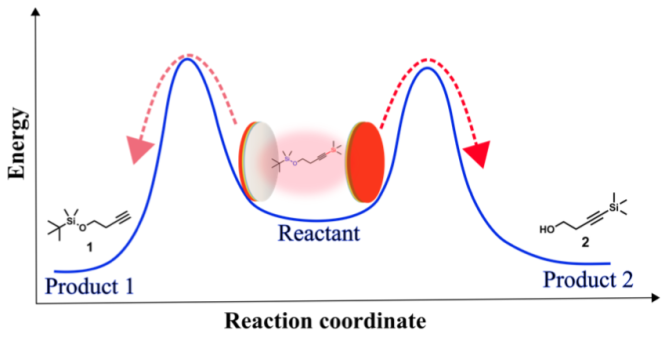
ChemRxiv highlighted five papers among the 2200 deposited during the last two years, among which one of us, the Science paper about ground state chemical reactivity !
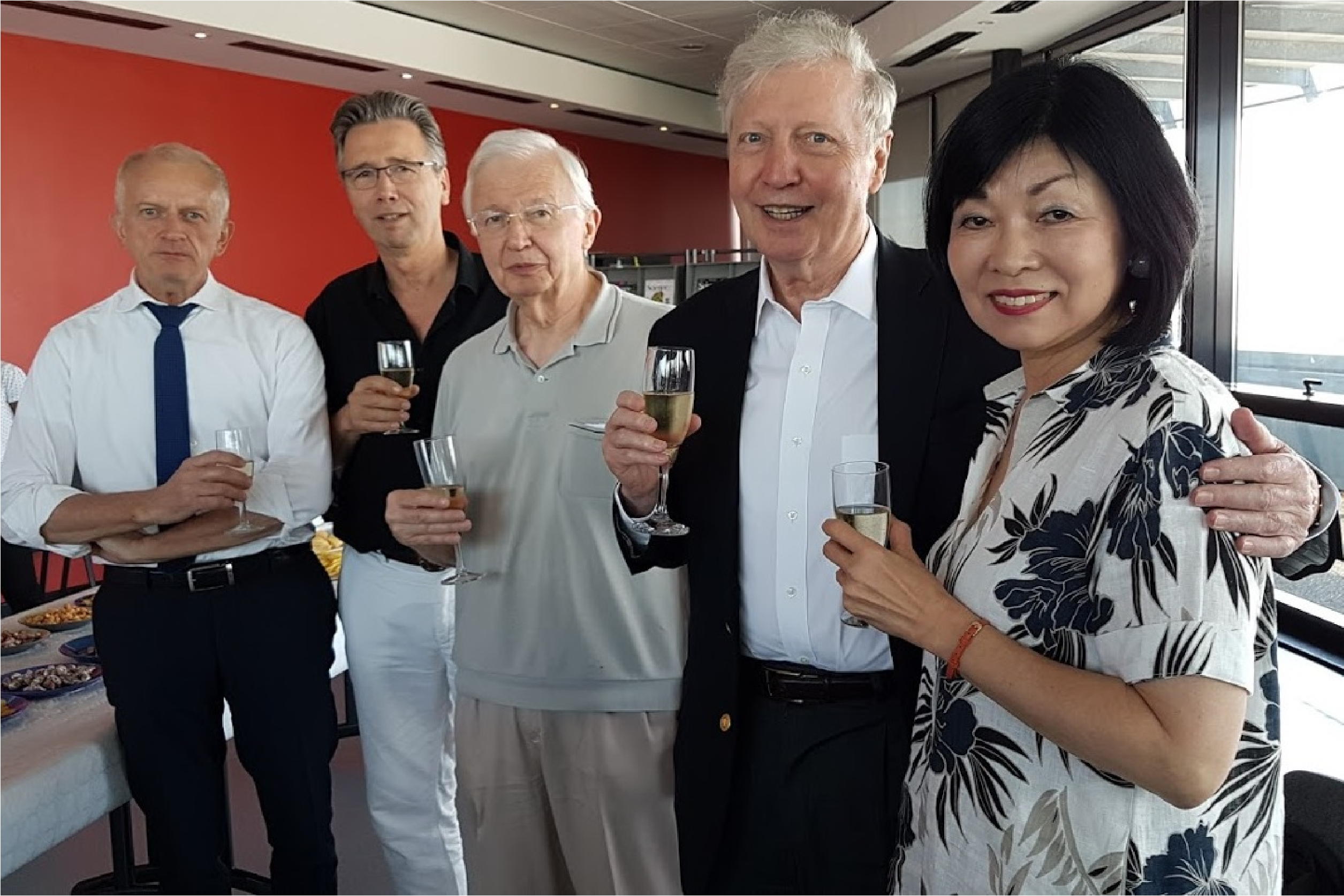
Crédit photo : Muriel Muzet (from left to right Michel Deneken, Thomas Ebbesen,Jean-Marie Lehn, Jules Hoffman and Masako Hayashi-Ebbesen)
Here are a few links dealing with the CNRS Gold Metal that Thomas Ebbesen received yesterday
Articles in french :
DNA (Dernières Nouvelles d’Alsace)
and a few more in english
and again the CNRS journal but in english !
We have the great pleasure to announce that Thomas Ebbesen will be the next recipient of the CNRS Gold Medal which is the most prestigious french scientific prize. It was created by the CNRS in 1954 and one can find the full list of laureates on the wiki page, among whom Louis De Broglie, Pierre Gilles de Gennes or Jean-Marie Lehn…See also the CNRS publication about it.
An official ceremony will take place in Paris in October 2019.
Congratulations Thomas !
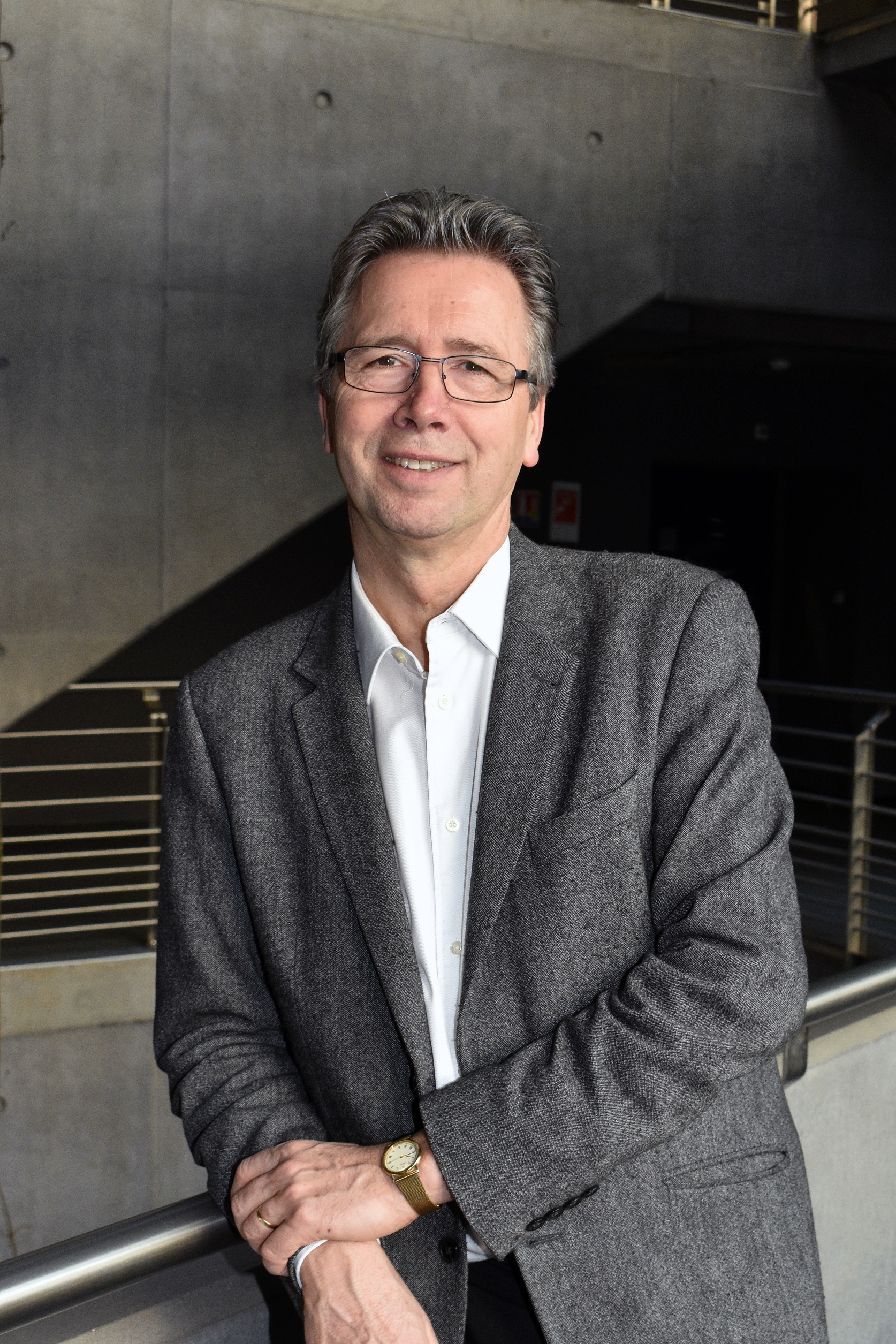
Dr Marcus Seidel finished his two years contract in our lab last week. He will now take a short break to take care of an important and demanding experiment, becoming a full-time father, before going for another position in Germany. We wish him and his family all the best for the future !
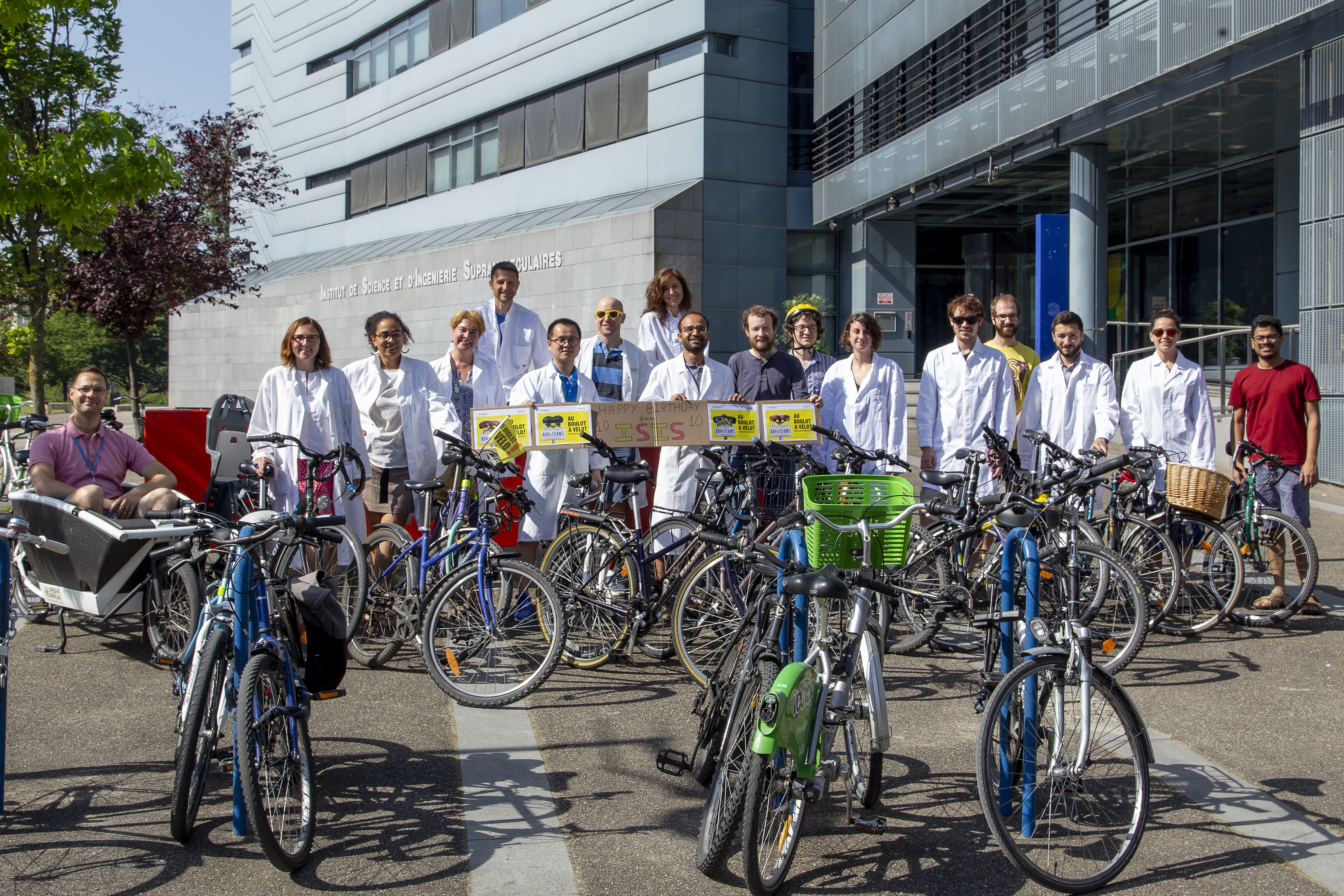
As each year since 10 years, Strasbourg Eurometropole and CADR67 are organizing a challenge to promote the use of bicycles to go to work, called Au boulot à vélo . At ISIS, we are also taking part under the banner of the University and CNRS. Remember : University and CNRS won in 2017 and 2018 (category public company of more than 500 employees) so why not one more time ! Here below some ISIS members who are bicycle-addicts.
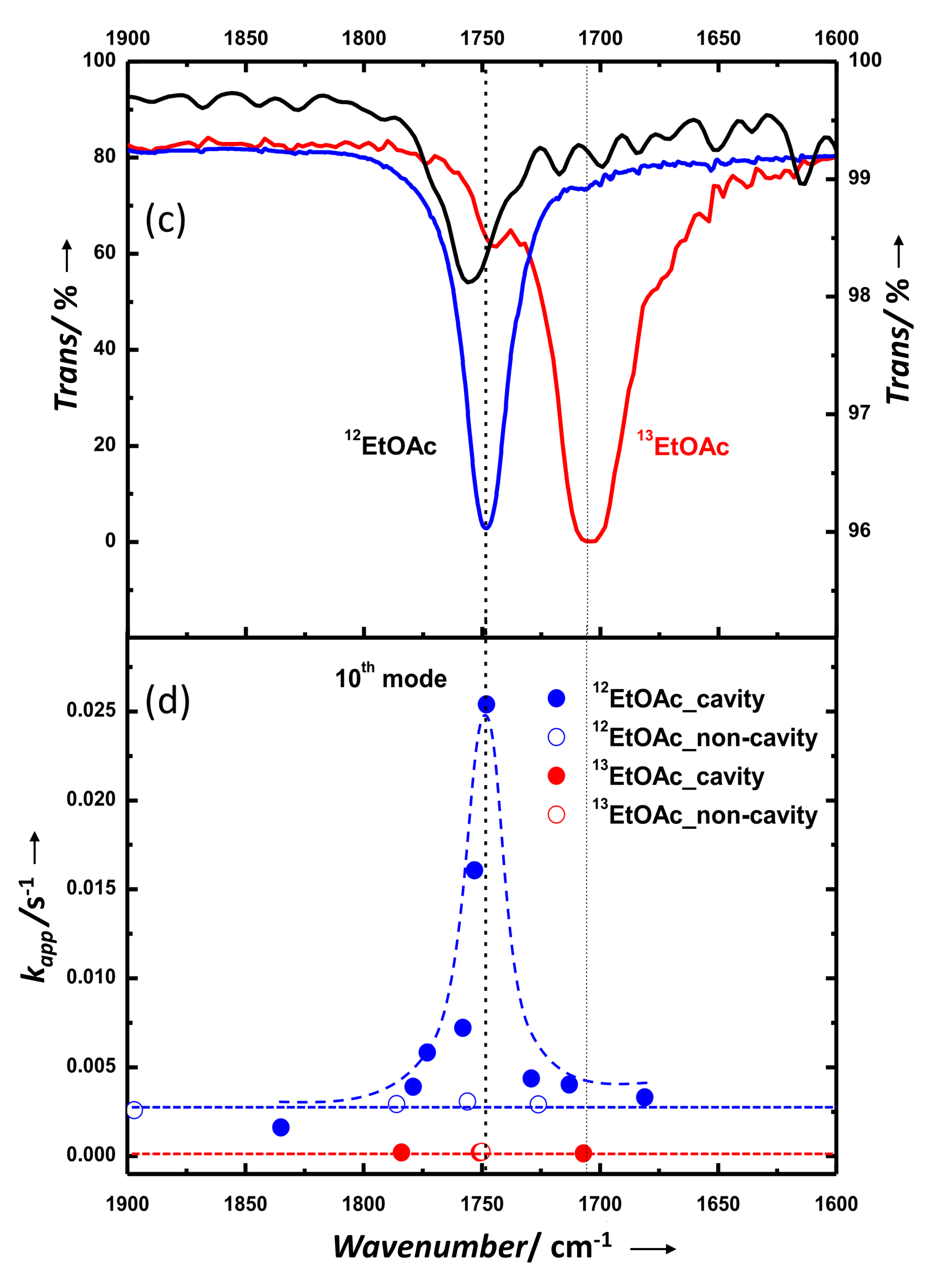
Dr Jino George is now leading his group at IISER Mohali but still collaborating with the lab and we are pleased to announce that our paper, previously on ChemArXiv is now accepted for publication in Angewandte Chemie. It reports the solvolysis of PNPA catalysed by vibrational strong coupling (VSC) under cooperative strong coupling effect between the reactant and the solvent molecules. More precisely, when the solvent and reactant have the same vibrational bands, but only the solvent is at a concentration high enough to be strongly coupled to the cavity mode, the reaction rate is increased by one order of magnitude at room temperature. These results offer an exciting perspective for the control of chemical reactivity under VSC regime.